Age Related Macular Degeneration
What is age related macular degeneration
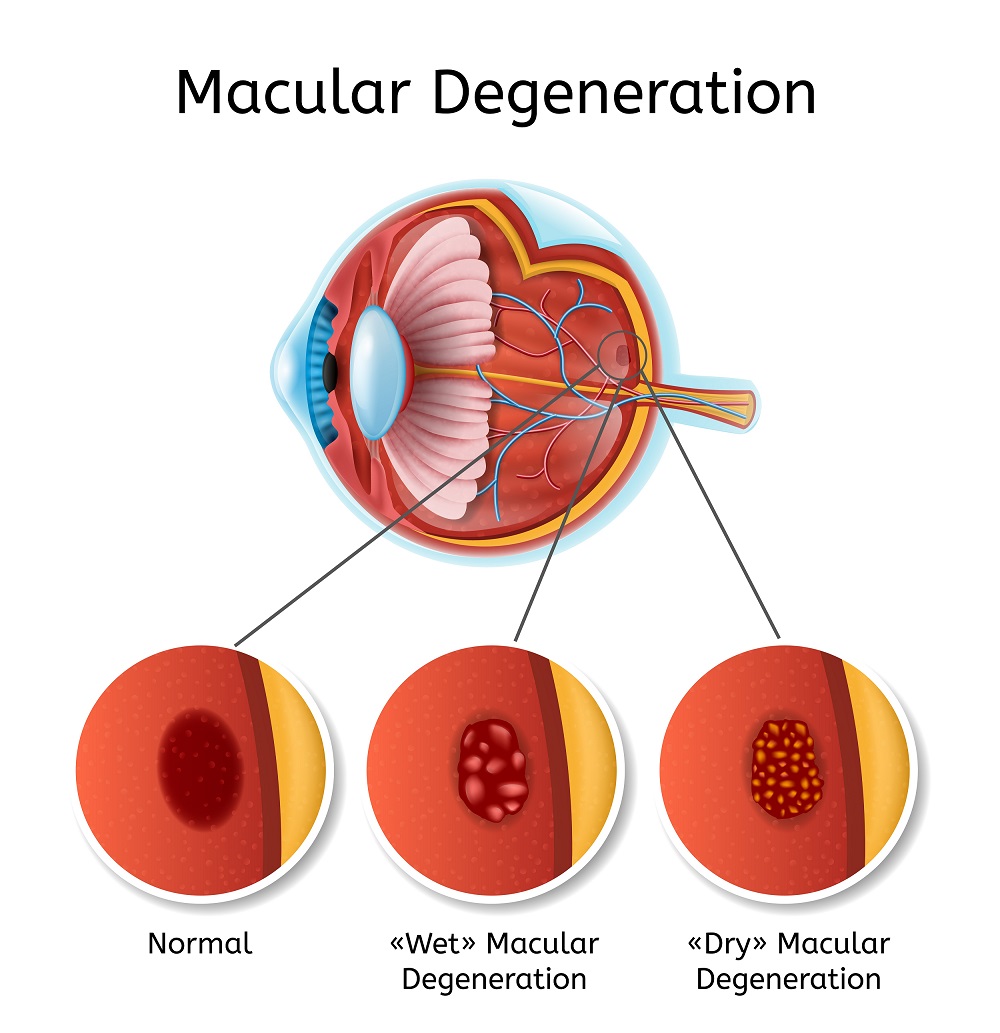
Age-related macular degeneration (AMD) is a leading cause of vision loss and blindness in people over the age of 60. It is a progressive condition that affects the macula, the part of the retina responsible for sharp, central vision. There are two forms of AMD:
- Dry AMD – caused by the gradual breakdown of light-sensitive cells in the macula and thinning of the retinal pigment epithelium.
- Wet AMD – caused by the growth of abnormal blood vessels in the macula that can leak and cause vision loss. Symptoms of AMD can include gradual loss of central vision, distorted vision, or a blank or dark area in the central field of vision. There is no cure for AMD, but treatments can help slow down its progression and preserve vision.
How is age related macular degeneration treated
Treatment for age-related macular degeneration (AMD) depends on the type and severity of the condition.
- Dry AMD – There is no cure for dry AMD, but a healthy diet high in fruits and vegetables, especially those containing antioxidants and zinc, may help slow its progression.
- Wet AMD – a) Anti-VEGF injections – to block the growth of abnormal blood vessels in the macula and reduce fluid buildup. b) Photodynamic therapy – uses a light-activated drug to destroy abnormal blood vessels. c) Laser therapy – to seal leaking blood vessels and prevent further vision loss.
- Nutritional supplements – specific combinations of vitamins and minerals, such as the AREDS and AREDS2 formulas, have been shown to slow down the progression of AMD.
- Low vision aids – magnifying glasses, special telescopes, and adaptive devices can help people with AMD make the most of their remaining vision. Treatment will depend on the individual and the specific type of AMD they have and may include a combination of these treatments. Early detection and management are important for preserving vision.
What are anti-VEGF injections?
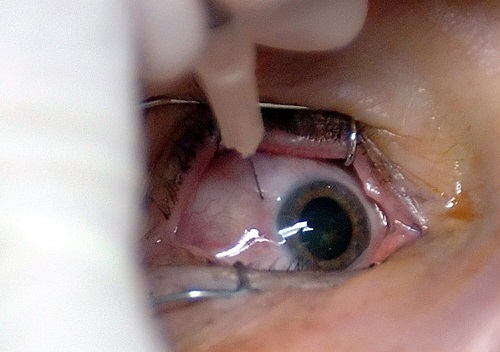
Anti-VEGF (vascular endothelial growth factor) injections are a type of treatment used to treat a range of eye conditions including age-related macular degeneration (AMD), diabetic retinopathy, and retinal vein occlusion. They work by blocking the growth of new blood vessels and reducing fluid buildup in the eye. The injections are given directly into the eye and typically need to be repeated regularly to maintain their effect. Anti-VEGF therapy has been shown to be effective in reducing vision loss and preserving vision in people with AMD and other eye conditions. The frequency and number of injections will depend on the individual and the severity of their condition.
Common myths about ANTI-VEGF injections
- Anti-VEGF injections cure eye conditions – Anti-VEGF injections can help slow down the progression of eye conditions such as age-related macular degeneration (AMD) and diabetic retinopathy, but they do not cure them.
- Anti-VEGF injections are painful – Most people do not feel any pain during the injection, but some may experience a mild stinging or pressure sensation.
- Anti-VEGF injections are a one-time treatment – The frequency and number of injections will depend on the individual and the severity of their condition. Regular follow-up injections may be necessary to maintain their effect.
- Anti-VEGF injections cause blindness – Anti-VEGF injections are safe and have been shown to be effective in reducing vision loss and preserving vision in people with AMD and other eye conditions.
- Anti-VEGF injections have no side effects – Although rare, side effects can include increased eye pressure, cataract formation, and retinal detachment. These risks will be discussed with the individual before starting treatment.